Why Does My Hand Hurt When I Play Guitar?
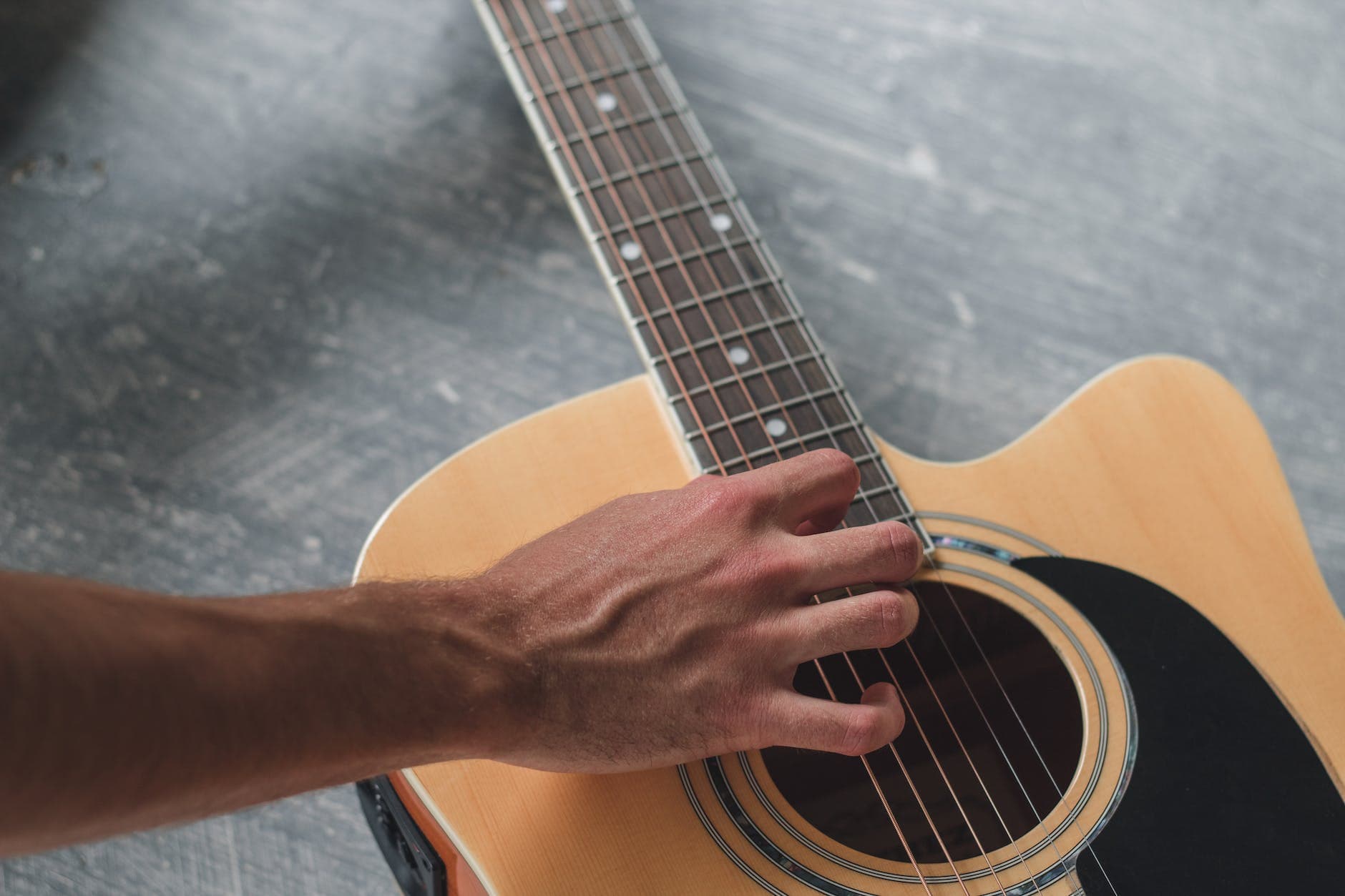
Playing the guitar can be a rewarding and enjoyable experience, but it’s not uncommon to experience hand pain while playing. In this article, we’ll explore why your hand might hurt when you play guitar and discuss various ways to prevent and manage this pain.
When it comes to hand pain during guitar playing, there are several conditions that could be causing the discomfort. Two common conditions are Carpal Tunnel Syndrome and Repetitive Strain Injury (RSI), which can result from overuse or improper technique. Another condition is Tendonitis, inflammation of the tendons in the fingers or wrist, which may cause pain and swelling. Tenosynovitis is also another possible cause of hand pain.
Preventing Hand Pain while Playing Guitar
To minimize hand pain while playing guitar, it’s essential to condition your hands before playing by performing stretching exercises specifically designed for musicians. Additionally, using proper technique on the guitar, such as maintaining good posture and practicing efficient finger placement, can help reduce strain on your hands. Improving hand stamina through regular practice sessions is important too.
Managing Hand Pain while Playing Guitar
If you’re already experiencing hand pain from playing guitar, there are several non-surgical treatments that can provide relief. Stretching exercises targeted at alleviating muscle tension in the hands can be helpful. Night bracing devices worn during sleep can also assist with reducing symptoms by immobilizing certain parts of the hand and wrist area. Myofascial release massage therapy has been found useful in relieving muscular tension as well.
In more severe cases where conservative measures fail to alleviate symptoms significantly, surgery such as carpal tunnel release surgery may be considered.
By understanding why your hands might hurt when you play guitar and implementing preventative measures or seeking appropriate management strategies when necessary, you can continue enjoying your musical journey without the distraction of hand pain.
Understanding Hand Pain while Playing Guitar
Do you ever experience pain in your hands while playing the guitar? I know how frustrating and uncomfortable it can be. But fret not! In order for us to fully enjoy our time strumming away, we need to understand why this happens. Let’s delve into some common reasons why guitar players like us suffer from hand pain.
One possible culprit could be carpal tunnel syndrome, a condition that causes numbness and tingling in the hand. Another potential cause is repetitive strain injury (RSI), which occurs when we constantly repeat the same motions, putting strain on our tendons and muscles. Tendonitis, inflammation of the tendons, and tenosynovitis, inflammation of the sheath surrounding the tendons, may also contribute to our discomfort.
But fear not! By gaining a deeper understanding of these conditions, we can take proactive measures to prevent and manage hand pain while playing the guitar. So why not join me as we explore these potential reasons behind our discomfort? Trust me, it’ll be worth it!
Carpal Tunnel Syndrome
https://www.youtube.com/watch?v=R2Wa2QPU\_KI
Carpal Tunnel Syndrome occurs when the median nerve, which runs from the forearm into the hand, becomes compressed or squeezed at the wrist. This can cause pain, numbness, tingling, and weakness in the hand and fingers. While Carpal Tunnel Syndrome is commonly associated with activities like typing or using a computer mouse, it can also affect guitar players.
When playing guitar, certain factors can contribute to the development of Carpal Tunnel Syndrome. Poor technique, excessive wrist flexion or extension, repetitive motions, and improper hand positioning on the neck of the guitar are all potential causes. Additionally, individuals who already have smaller carpal tunnels may be more susceptible to developing this condition.
To prevent Carpal Tunnel Syndrome while playing guitar, it’s important to focus on maintaining proper posture and technique. Keep your wrist aligned with your forearm and avoid bending it excessively. Take regular breaks during practice sessions to give your hand a rest. It’s also crucial to warm up before playing by gently stretching your hands and wrists.
If you experience symptoms of Carpal Tunnel Syndrome while playing guitar, there are non-surgical treatment options available. These may include wearing a splint or brace to immobilize your wrist at night, performing specific stretching exercises to alleviate pressure on the median nerve, undergoing myofascial release massage therapy, or taking over-the-counter anti-inflammatory drugs for pain relief.
It’s important to address any hand pain promptly and consult a healthcare professional if symptoms persist or worsen over time. By being mindful of your technique and taking steps to prevent Carpal Tunnel Syndrome while playing guitar, you can continue enjoying music without unnecessary discomfort.
Repetitive Strain Injury (RSI)
https://www.youtube.com/watch?v=-GTMoh0LFt4
As a guitar player, I’ve come to realize that Repetitive Strain Injury (RSI) is something we should be aware of. It’s a common condition that can affect us, and it happens when there is repeated stress on the muscles, tendons, and nerves in our hand and wrist - leading to pain, stiffness, weakness, and numbness in those areas.
Playing the guitar involves repetitive motions like strumming, picking, and fretting - which can strain these structures over time. This constant strain can result in inflammation and irritation of the tendons and nerves.
To protect ourselves from RSI while playing guitar, it’s crucial to take regular breaks and give our hands some much-needed rest. Conditioning exercises specifically designed for our hands and wrists can also do wonders by improving their strength and flexibility. Additionally, using proper technique when playing becomes vital to avoid unnecessary strain on our hands.
Let’s be proactive! If any symptoms of RSI arise during or after playing the guitar (such as pain or discomfort), seeking medical attention is essential. Healthcare professionals might suggest treatments like stretching exercises, night bracing, or myofascial release massage. In severe cases where other methods haven’t proved effective, carpal tunnel release surgery may become necessary.
By being mindful of preventive measures and addressing any symptoms at an early stage, we can ensure that playing the guitar continues to be an enjoyable activity without causing long-term damage to our precious hands.
Tendonitis
https://www.youtube.com/watch?v=Z0vD5zoaBs4
As a guitarist, I often find my fingers putting in repetitive motions and going through excessive strain. It’s no surprise that this can lead to a common condition called tendonitis. Tendonitis occurs when the tendons, which are the tough cords connecting muscles to bones, become inflamed.
To avoid falling prey to this ailment, I’ve learned the importance of taking breaks during practice sessions. Whenever discomfort or pain starts creeping in, it’s crucial to pause and give my hands some rest. Moreover, practicing proper technique and maintaining good posture while playing can go a long way in minimizing stress on the tendons and lowering the risk of developing tendonitis.
Should you unfortunately experience tendonitis, there are several treatment options available to you. Non-surgical approaches like the RICE method (rest, ice, compression, elevation) can help alleviate symptoms effectively. Additionally, your doctor might prescribe anti-inflammatory medications or specific physical therapy exercises targeting the affected tendons.
In more serious cases where conservative treatments prove ineffective, surgery may be necessary as a last resort. This usually involves eliminating damaged tissue or making modifications that relieve pressure on the affected tendons.
Remember one thing: tending to your hands is essential if you want to continue playing guitar without any pain or discomfort hindering your progress. By being attentive to proper technique and attuned to what your body is telling you, you can significantly reduce the likelihood of developing tendonitis and enjoy playing music for many years ahead.
Tenosynovitis
https://www.youtube.com/watch?v=cRWQQ0ovwPE
Tenosynovitis is a condition that can cause pain and discomfort in the hand when playing the guitar. It occurs when the protective lining around the tendons becomes inflamed. Repetitive motions, such as those required for playing guitar, can lead to this inflammation.
One of the main symptoms of tenosynovitis is pain and swelling in the affected area. If you notice pain or stiffness in your fingers, wrist, or hand while playing the guitar, it’s important to seek medical attention.
To prevent tenosynovitis, it’s crucial to maintain proper hand positioning and technique while playing. Additionally, incorporating regular stretching exercises into your routine can help improve flexibility and reduce the risk of injury.
If you’re already experiencing symptoms of tenosynovitis, there are several treatment options available. Non-surgical treatments such as rest, ice, and anti-inflammatory medication may be recommended. In some cases, stretches and strengthening exercises prescribed by a physical therapist can provide relief. However, if conservative measures fail to alleviate symptoms, surgical intervention may be necessary.
By being aware of tenosynovitis and taking steps to prevent it from occurring or worsening during guitar practice sessions, you can ensure your long-term hand health and continue enjoying playing without discomfort.
Preventing Hand Pain while Playing Guitar
In order to enjoy playing the guitar without experiencing any hand pain, it is crucial to take proactive steps in preventing discomfort. This section will delve into various strategies that can help you avoid hand pain while playing guitar. By conditioning your hand before playing, using proper technique, and improving hand stamina, you can ensure a more enjoyable and pain-free guitar-playing experience. So let’s explore these preventive measures in detail!
Conditioning Your Hand Before Playing Guitar
https://www.youtube.com/watch?v=ZkYi5SPdmH4
To avoid hand pain when playing the guitar, it is essential to condition your hand before each session. Proper conditioning helps warm up the muscles and increases flexibility, reducing the risk of injuries and discomfort. Here are some effective ways to condition your hand before playing guitar:
- Stretching exercises: Perform simple stretching exercises to loosen up your hand muscles and improve their range of motion. Start by gently stretching your fingers backward and forward, holding each position for a few seconds. Also, try rotating your wrists in clockwise and counterclockwise motions.
- Hand and finger exercises: Strengthening the muscles in your hands and fingers can enhance their endurance and reduce strain during guitar play. Squeeze a stress ball or use hand grips to engage these muscles regularly.
- Finger taps: Tap each finger individually on a firm surface for a set period of time to increase blood flow and warm up the muscles in your hand.
Remember, proper conditioning is crucial for preventing hand pain while playing guitar. By incorporating these techniques into your pre-play routine, you can ensure that your hands are ready for hours of comfortable practice.
Using Proper Technique on the Guitar
https://www.youtube.com/watch?v=sqXqR3A35ik
When it comes to playing the guitar, using proper technique is absolutely crucial. It not only allows you to produce exceptional music but also helps prevent hand pain, making your playing experience much more enjoyable. So, let’s delve into some important aspects of proper technique that every guitarist should consider.
First and foremost, hand position plays a vital role in guitar playing. It’s important to ensure that your hand is positioned correctly on the fretboard. Your fingers should be curved and lightly touching the strings at a 90-degree angle. This eliminates any excessive bending or twisting of your wrist that could potentially lead to discomfort or injuries.
Another significant aspect is finger placement. For better control and leverage, it’s recommended to place your fingers close to the fret wire. This way, you can exert less pressure while pressing down on the strings, alleviating strain on your hand muscles.
Maintaining a relaxed grip on the neck of the guitar is essential as well. Avoid squeezing too tightly as it can create unnecessary tension in your hand muscles, eventually resulting in fatigue or pain.
Efficient movement between chords and notes should also be practiced. Strive for smooth transitions without excessive finger lifting or unnecessary stretching. These actions tend to put stress on your hand joints and tendons, which can lead to discomfort and injuries over time.
By paying attention to these fundamental elements of technique, you can significantly minimize the risk of experiencing unpleasant hand pain while playing the guitar. Always remember that practice doesn’t make perfect if it leads to an injury. Instead, focus on practicing with proper technique for a long-lasting and enjoyable guitar journey.
Improving Hand Stamina
https://www.youtube.com/watch?v=PD0wLj0zgpU
To become a skilled guitarist, it’s important to not only focus on your technique but also build up your hand stamina. Improving your hand stamina will allow you to play for longer periods without experiencing fatigue or pain. Here are a few tips to help you boost your hand endurance:
1. Practice Regularly: Consistent practice is key to improving your hand stamina. Start with shorter practice sessions and gradually increase the duration as your hands become stronger.
2. Gradual Increase in Difficulty: Gradually increase the difficulty of your practice sessions by tackling more challenging songs or exercises. This will push your hands to adapt and improve their endurance.
3. Finger Exercises: Incorporate specific finger exercises into your routine to target the muscles responsible for guitar playing. These can include finger stretches, finger presses, and finger taps.
4. Use Hand Strengthening Tools: There are various tools available that specifically focus on strengthening the hand muscles used in guitar playing. Squeezing stress balls or using grip strengtheners can help enhance hand stamina.
By implementing these strategies into your practice routine, you’ll be able to improve your hand stamina over time and play guitar for longer periods without experiencing discomfort. Remember, building up endurance takes time and patience, so don’t rush the process.
Managing Hand Pain while Playing Guitar
In this section, we will explore various strategies for managing hand pain while playing guitar. The repetitive movements and strain placed on the hands during prolonged practice sessions or performances can often lead to discomfort and potential injuries. Thankfully, there are non-surgical treatments, stretching exercises, and even surgical options available to alleviate pain and improve your playing experience. Let’s delve into these methods in more detail to help you find relief and continue pursuing your passion for music.
Non-Surgical Treatments
https://www.youtube.com/watch?v=LTKyioqoZVM
In addition to proper conditioning, technique, and stamina-building exercises, there are several non-surgical treatments that can help alleviate hand pain when playing guitar. These treatments are especially beneficial for guitarists who experience mild to moderate discomfort or those who wish to explore conservative options before considering surgery.
Drugs: Over-the-counter nonsteroidal anti-inflammatory drugs (NSAIDs), such as ibuprofen, can provide temporary pain relief by reducing inflammation in the hands. However, it’s important to consult with a healthcare professional before using any medication to understand potential side effects or drug interactions.
Stretching Exercises: Stretching your hands and fingers regularly can improve flexibility, reduce muscle tension, and prevent stiffness and cramping. Simple exercises like finger stretches and hand rotations can be performed before and after playing guitar to warm up the muscles and promote blood flow.
Night Bracing: Wearing a splint or brace at night can help relieve symptoms of conditions like carpal tunnel syndrome by immobilizing the wrist and reducing pressure on the median nerve. This allows for restful sleep without exacerbating hand pain.
Myofascial Release Massage: Myofascial release therapy involves applying gentle pressure to specific points in the fascia (connective tissue) surrounding the muscles. This technique helps release tension and restore mobility in tight or overworked muscles in the hand.
By incorporating these non-surgical treatments into your routine, you can effectively manage hand pain associated with playing guitar while avoiding more invasive interventions. Remember to listen to your body, make adjustments as needed, and consult with a medical professional for personalized advice.
Stretching Exercises
https://www.youtube.com/watch?v=9KZm0JU-Prs
When it comes to playing guitar, hand pain can be a real buzzkill. But fear not! There are some simple stretching exercises that can help alleviate and prevent this discomfort. By incorporating these exercises into your practice routine, you’ll notice improved flexibility, reduced tension, and better overall hand health.
- First up is the Wrist Flexor Stretch. Imagine extending your arm in front of you with the palm facing up. Now, use your other hand to gently pull back on your fingers until you feel a satisfying stretch in the underside of your forearm.
- Next on the list is the Wrist Extensor Stretch. This one involves extending your arm in front of you with the palm facing down. Again, use your opposite hand to gently pull back on your fingers. You’ll feel a pleasant stretch on top of your forearm.
- Moving on to the Finger Extension Stretch! Find a flat surface like a table and place the palm of one hand firmly on it. Now slowly lift each finger one at a time, starting from the pinky while keeping the others pressed down. It’s like giving each finger its own little workout!
- Don’t forget about the Thumb Flexion Stretch! Hold one hand out in front of you with the palm facing away. Grab onto your thumb with your other hand and gently pull it towards the base of your pinky finger until you feel a nice stretch in both your thumb and wrist area.
- The last stretch we have is called Forearm Pronation/Supination Stretch - fancy words for rotating your forearm inward (pronation) and outward (supination) as far as feels comfortable with your palm facing down.
Incorporating these stretching exercises into your regular practice routine works wonders for improving blood flow, increasing range of motion, and reducing muscle fatigue in your hands while playing guitar. And remember, just like with any physical activity, warming up is essential. Start with gentle stretches and finger movements to prepare your hands for playing.
Give these exercises a try, and say goodbye to pesky hand pain while strumming those sweet tunes!
Night Bracing
To ensure a good night’s rest and alleviate guitar hand pain, consider incorporating night bracing into your routine. Night bracing involves wearing a brace or splint while you sleep to provide support and prevent further damage to your hands.
Night bracing helps with various hand conditions that can cause pain during guitar playing, such as carpal tunnel syndrome, tendinitis, and repetitive strain injury (RSI). By keeping your hand in a neutral position throughout the night, it helps reduce inflammation and promotes healing.
There are different types of braces available depending on the area of discomfort. Wrist braces are commonly used for conditions like carpal tunnel syndrome, while finger splints can be beneficial for finger injuries or pain.
In addition to providing support, night bracing also acts as a reminder to maintain proper posture and avoid activities that may exacerbate your hand pain. It is essential to consult with a healthcare professional or occupational therapist who specializes in hand health to determine the appropriate type of brace for your specific condition.
Remember that night bracing should be used in combination with other preventive measures and treatments mentioned in this article to comprehensively manage guitar-related hand pain.
Myofascial Release Massage
https://www.youtube.com/watch?v=v7h90B1J8bc
The myofascial release massage is a highly effective technique for treating hand pain while playing guitar. This type of massage focuses on releasing tension and tightness in the muscles and fascia, which can contribute to pain and discomfort.
During the massage, the therapist will apply gentle pressure and stretching techniques to target specific areas of tension in the hand, fingers, and forearm. By releasing these tight muscles and fascia, blood circulation is improved, inflammation is reduced, and overall hand flexibility is enhanced.
One of the key benefits of myofascial release is its ability to address underlying issues that may be causing hand pain. It can help to alleviate muscle imbalances, overuse injuries, and scar tissue buildup that can result from repetitive guitar playing.
To maximize the benefits of myofascial release massage, it’s recommended to schedule regular sessions with a qualified therapist who specializes in this technique. Additionally, incorporating self-massage techniques at home using foam rollers or tennis balls can provide ongoing relief between professional sessions.
In conclusion, myofascial release massage offers an effective solution for managing hand pain while playing guitar. By addressing muscle tension and promoting proper circulation, it can help guitarists maintain optimal hand health and continue enjoying their craft without discomfort or limitations.
Carpal Tunnel Release Surgery
https://www.youtube.com/watch?v=iMj5OY-8Olo
Carpal Tunnel Syndrome is a common condition that can cause hand pain and discomfort while playing the guitar. When conservative treatments fail to provide relief, carpal tunnel release surgery may be considered as a treatment option.
During carpal tunnel release surgery, the transverse carpal ligament is cut to relieve pressure on the median nerve. This procedure can be performed using two different techniques: open release and endoscopic release.
Open Release: In this technique, a small incision is made in the base of the palm. The surgeon then cuts the transverse carpal ligament to enlarge the carpal tunnel.
Advantages: Allows better visualization of structures for accurate ligament cutting and suturing.
Disadvantages: Longer recovery time and higher risk of post-operative scarring.
Endoscopic Release: This minimally invasive technique involves making one or two small incisions near the wrist or palm. A thin tube called an endoscope is inserted through these incisions, allowing the surgeon to visualize and cut the ligament with specialized instruments.
Advantages: Smaller incisions result in less scarring, shorter recovery time, and faster return to guitar playing.
Disadvantages: Limited visualization compared to open release, potentially leading to incomplete ligament release.
It’s important to note that like any surgical procedure, there are risks involved with carpal tunnel release surgery. These risks include infection, nerve damage, excessive bleeding, and scar tissue formation. Therefore, it’s crucial to consult with a qualified healthcare professional who specializes in hand surgeries before considering this option as a treatment for your guitar-related hand pain.
Conclusion
In conclusion, it is essential to take care of your hands and prevent hand pain while playing guitar. By understanding common conditions like Carpal Tunnel Syndrome, Repetitive Strain Injury (RSI), Tendonitis, and Tenosynovitis, you can recognize the symptoms and seek appropriate treatment if needed. Conditioning your hand before playing guitar through warm-up exercises and stretches can help improve flexibility and prevent injuries. Additionally, using proper technique on the guitar and building hand stamina are crucial for long-term hand health. If you do experience hand pain, there are various non-surgical treatments available such as stretching exercises, night bracing, and myofascial release massages. However, in severe cases where conservative methods don’t provide relief, carpal tunnel release surgery may be an option. Remember to listen to your body and prioritize hand care to ensure a enjoyable and pain-free guitar playing experience.