Can You Put Pickups on Any Guitar?
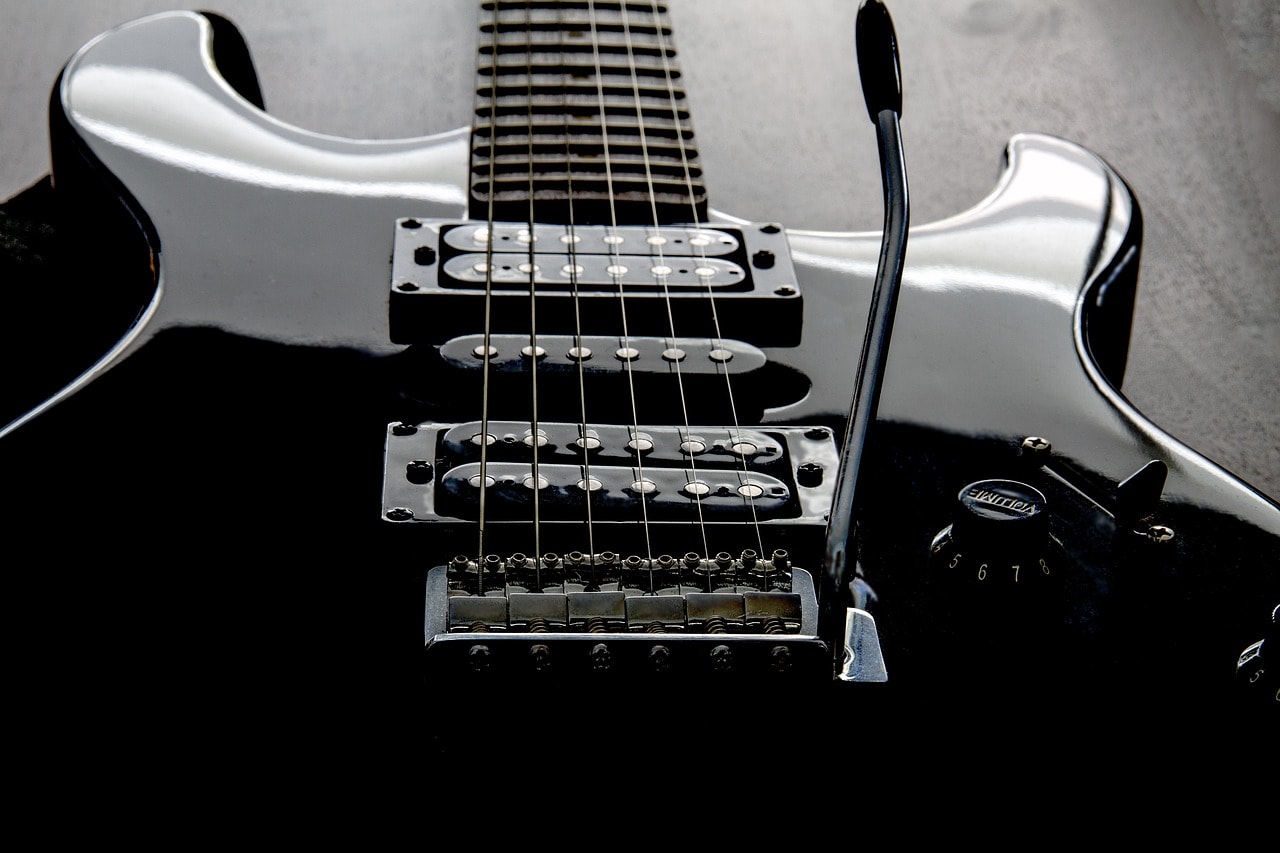
When it comes to upgrading or customizing my guitar, one mod that I often consider is changing the pickups. These nifty gadgets play a vital role in giving my instrument its unique sound and tone. Whether I’m after mellower vibes or shimmering highs, finding the perfect pickup can truly enhance my playing experience.
In this article, we’ll dive into the captivating world of guitar pickups and tackle some common queries that fellow guitarists like me frequently have. We’ll explore different kinds of pickups, how they pair with various guitars, and whether they can be mixed and matched to create a personalized sonic landscape. And just to add some spice to the mix, we’ll also delve into pickup sizes and uncover if they are universally compatible across different models.
So let’s kickstart our journey into this enthralling realm of guitar pickups and unearth how these small yet mighty components possess the power to revolutionize the very sound of our beloved instruments!
Types of Pickups in Guitars
When it comes to guitars, both electric and acoustic, there are various pickups that play a vital role in shaping the tone of your instrument. Whether you crave the intense force of an electric guitar or desire to enrich the authentic sound of an acoustic one, comprehending the diverse range of pickups is key. In this section, we will delve into the two primary categories of pickups: electric pickups and acoustic pickups. So let’s jump right in and explore how these distinct types can truly elevate your musical journey.
Electric Pickups
When it comes to electric guitars, the pickups are absolutely essential in shaping the incredible sound of your instrument. Fortunately, there is a plethora of electric pickups available, each with its own exceptional characteristics that will blow you away!
Oh yes, let’s talk about passive pickups first. You see, these marvels utilize mesmerizing magnets to capture those electrifying vibrations from your guitar strings and then transform them into a dazzling electrical signal. And boy oh boy, do they deliver! Known for their cozy warmness and delightful vintage vibe, these pickups will transport you to a whole new world of sonic bliss.
But wait! There’s more! Say hello to active pickups that require a battery for an extra boost of power. These rockstars come equipped with a preamp that elevates the signal right from the pickup. Brace yourself for higher output and an ultra-modern sound that kicks things up a notch or two. Prepare to be blown away by their mind-blowing capabilities!
Now let’s talk about single-coil pickups…ahh, the quintessential sound of countless legendary guitars like the iconic Fender Stratocasters. They produce this sensational bright and twangy tone that will make your ears tingle with delight. It’s like music to your…well…ears!
On the flip side, we have humbucker pickups. Oh yeah! These magnificent wonders boast not just one but two coils wired together in series. Can you imagine? This extraordinary setup cancels out pesky noise so you can focus on unleashing pure musical wizardry! And mark my words, they produce a sound so thick and heavy it’ll shake your very core!
Let me tell you something important - choosing the perfect electric pickup for your precious guitar is no easy task! There are certain factors you must consider like the desired tone (because who doesn’t want to sound spectacular?), your personal playing style (because everyone has their own unique flair), and the genre of music you want to explore. It’s a grand adventure of musical exploration, my friend!
Now, I encourage you to embark on this incredible journey by experimenting with different pickup configurations. Be brave! Be bold! Don’t be afraid to swap out those stock pickups in your guitar for something fresh, exciting, and utterly mind-blowing! Trust me, you won’t regret it. So get ready to discover your signature sound and let the music take you on an unforgettable ride!
Acoustic Pickups
Acoustic guitars are known for their warm and natural sound. However, if you want to amplify your acoustic guitar or record it, you may need to install an acoustic pickup. Acoustic pickups are designed specifically for acoustic guitars and are different from electric guitar pickups. They are typically mounted inside the guitar’s body or attached to the bridge.
There are different types of acoustic pickups available in the market, including piezo pickups, transducer pickups, and magnetic pickups. Each type has its own unique sound characteristics and installation requirements.
Piezo pickups are commonly used in acoustic guitars and can accurately reproduce the vibrations of the strings. These pickups are usually placed under the saddle or on the bridge plate. They offer a clear and balanced sound with good string separation.
Transducer pickups, on the other hand, use a small microphone or sensor to capture the vibrations of the guitar’s top wood. They provide a more natural and organic tone with enhanced resonance.
Magnetic pickups can be installed on an acoustic guitar as well but may require modifications such as drilling holes in the body. They work by using magnets to detect string vibrations and produce an electric signal.
When installing an acoustic pickup, it is essential to choose one that matches your guitar’s size and construction. Some models may require professional installation, while others come as easy DIY options. Follow manufacturer instructions carefully to ensure proper installation and avoid damaging your instrument.
Adding an acoustic pickup to your guitar allows you to amplify its sound without compromising its natural tone. Whether you’re playing live or recording in a studio setting, an acoustic pickup enables you to share your music with a wider audience while maintaining that unmistakable acoustic sound quality
Can You Put Any Pickups in Any Guitar?
It’s a common question among guitar enthusiasts: Can you put any pickups in any guitar? Well, the answer is not as straightforward as you might think. While it’s true that there are numerous types and brands of pickups available in the market, not all of them are compatible with every guitar.
Firstly, the installation method plays a crucial role. Different types of guitars have different cavity sizes and pickup configurations. For example, if you have a Les Paul-style guitar with humbuckers, you cannot simply swap them out for single-coil pickups without making modifications to the cavity.
Additionally, different brands may have their own specific dimensions and wiring requirements. Even within a brand, different models may have variations in size or electronic specifications. So it’s important to do some research to ensure that the pickups you’re considering will fit your particular guitar.
Another important factor is the wiring diagram. Each pickup has its own color code for its wires, and these need to match up with your guitar’s existing wiring for proper functionality. Using an incorrect wiring setup can lead to issues like poor sound quality or even damage to your instrument.
In summary, while there is some flexibility when it comes to swapping pickups in guitars, it’s essential to consider factors such as installation method, pickup type compatibility, brand compatibility, and wiring requirements. Doing thorough research and consulting resources like wiring diagrams can help ensure successful installation and optimal performance of your new pickups on your beloved instrument.
Are All Pickups Interchangeable?
There is often a misconception that all guitar pickups are interchangeable. However, this is not always the case. While you may be able to physically fit different pickups into your guitar, there are several factors to consider before swapping them out.
Firstly, different pickups have different tonal characteristics and output levels. For example, if you want to install a high-output humbucker pickup in a guitar that originally had single coil pickups, you may need to make adjustments to the wiring and potentially the guitar’s electronics to accommodate the change in tone.
Additionally, the size and shape of the pickup can also affect its compatibility with your guitar. Some guitars have specific routing and cavity dimensions designed for certain types of pickups. Trying to fit a larger or differently shaped pickup into these openings may require modifications or even damage your guitar.
Furthermore, the magnet type used in the pickup can influence its sound and performance. Mixing different magnet types or using incompatible magnets can result in inconsistent or undesirable tones.
Before attempting any pickup swaps, it’s crucial to do some research on your specific guitar model and the pickups you’re interested in installing. Look for wiring diagrams and compatibility information provided by manufacturers or consult with experienced technicians for guidance.
In conclusion, while some pickups may be interchangeable depending on various factors such as tonal characteristics and physical compatibility, it’s not always a straightforward process. It’s essential to ensure that any changes you make will enhance your guitar’s sound rather than compromise it.
Are Guitar Pickup Sizes Universal?
When it comes to guitar pickups, size matters. The physical dimensions of a pickup play a crucial role in determining its compatibility with your guitar. Guitar pickup sizes are not universal, meaning you can’t simply swap one pickup for another without considering the fit and alignment.
Different types of guitars require different pickup sizes to fit snugly within their designated cavities. For instance, single-coil pickups commonly found in Stratocasters have a standard size, while humbucker pickups used in Les Pauls have larger dimensions.
Attempting to install a pickup that doesn’t match the size specifications of your guitar might lead to unsatisfactory results or even damage to your instrument. Therefore, it’s important to carefully consider the measurements and dimensions when selecting replacement pickups or deciding to change the pickup configuration on your guitar.
Before making any changes, consult resources such as manufacturer specifications or wiring diagrams that provide details on pickup sizes suitable for specific guitar models. Additionally, seeking advice from experienced luthiers or reputable sources can further ensure you make an informed decision regarding compatible guitar pickup sizes.
Remember, a proper fit is essential for optimal performance and sound quality from your pickups. So, don’t overlook this crucial step when considering modifications or upgrades to your electric or acoustic guitar’s sound system.
Can You Mix Guitar Pickup Brands?
Can you mix different guitar pickup brands? Absolutely! It’s actually quite a common practice among musicians who are eager to explore new sonic territories and create their own distinct sound. Whether you’re aiming to enhance your overall guitar tone or want to achieve specific tonal characteristics, using pickups from different brands can provide you with an array of possibilities.
Before diving into the world of mixing pickup brands, there are a couple of factors to consider. Firstly, make sure the physical dimensions of the pickups align with your guitar’s body and setup. Since pickups come in various shapes and sizes, it’s essential to ensure they fit seamlessly without requiring any modifications.
Additionally, it’s crucial to take into account the electrical compatibility of the pickups. Different brands may have variations in output level, impedance, and wiring configurations. While these differences might not always pose compatibility issues, it’s vital to be aware of them before making any changes.
To successfully mix guitar pickup brands, maintaining a sense of balance is key. Take into consideration factors like volume and tone while experimenting with different combinations. This will enable you to discover the sweet spot for your desired sound.
In conclusion, mixing different guitar pickup brands can inject versatility and individuality into your playing style. However, always remember to ensure proper physical and electrical compatibility when doing so. Explore various combinations and find that perfect balance between pickups to craft a personalized tone that resonates with your musical preferences. So don’t hesitate to break free from convention and let your creativity soar!
How to Determine Compatibility of Pickups with Your Guitar?
When you’re looking to install new pickups on your guitar, there are a few things you need to think about. First and foremost, you’ll want to choose the right type of pickup for your needs. Whether it’s single-coil or humbuckers, each type has its own unique dimensions and mounting requirements. It’s crucial to make sure that the physical size and shape of the pickup will fit perfectly into your guitar’s pickup cavity.
Another important factor to consider is the wiring configuration of your guitar. Some guitars have different pickup setups, like HSS (humbucker-single-single) or SSS (single-single-single). It’s essential to ensure that the new pickups match the existing wiring setup or be prepared to make some modifications.
Of course, one cannot forget about the tonal characteristics and sound you’re aiming for. Each set of pickups has its own distinct tone and impedance ratings. It’s vital to find pickups that complement your playing style and help achieve the perfect sound you desire.
Seeking guidance from a seasoned professional or experienced guitarist is highly recommended before making any modifications. They can offer valuable insights on compatibility matters and assist in choosing the best pickups for your specific guitar model.
How to Install Pickups?
When it comes to personalizing the sound of your guitar, nothing quite compares to the transformative power of installing new pickups. But the questions arise – how do you actually go about installing them? Fear not, my fellow musicians, for in this section, we shall embark on a journey through the step-by-step process of pickup installation on your beloved guitar. Along the way, we’ll unravel the mysteries of pickup wire color codes and wiring diagrams, serving as invaluable guides for this sonic enhancement endeavor. So let’s not hesitate any longer and delve into the art of giving your guitar a well-deserved aural upgrade!
Pickup Wire Color Codes
When it comes to installing pickups in your guitar, understanding pickup wire color codes is crucial. These color codes help you identify which wires are responsible for different functions, such as grounding, signal output, and coil splitting.
One common pickup wire color code you’ll encounter is the “black” wire, which is typically used for grounding purposes. It’s important to connect the black wire to the ground point on your guitar to ensure proper functioning.
Another common color is “white,” which usually represents the hot output wire. This wire carries the signal from the pickup to your amplifier or other audio devices. Connect this wire accordingly to achieve the desired sound.
If you’re unsure about the wire colors of a specific pickup brand, don’t worry. Manufacturers often provide wiring diagrams that illustrate how each wire should be connected. These diagrams show the relationship between different-colored wires and their corresponding functions.
By familiarizing yourself with pickup wire color codes and following wiring diagrams, you’ll be able to confidently install pickups in your guitar while achieving optimal sound performance.
Wiring Diagrams
When it comes to installing guitar pickups, having the right wiring diagram is absolutely crucial. These handy diagrams visually show you exactly how to connect the pickup wires to different parts of your guitar. Trust me, following the correct diagram makes the installation process smooth sailing with no guesswork involved.
Now, depending on your specific pickup configuration and guitar model, you’ll find various types of wiring diagrams out there. Popular brands like Seymour Duncan and DiMarzio are kind enough to provide comprehensive wiring diagrams on their websites for free. No need to fret (pun intended), these detailed diagrams will guide you step by step on connecting each wire correctly for perfect functionality.
Feeling a little overwhelmed and not quite sure which wiring diagram suits your needs? Don’t worry! You can easily find online resources and forums that offer diagrams specifically tailored to your guitar model or pickup type. Another great option is seeking guidance from a pro guitar technician or luthier who can assist you throughout the process and share their expert advice.
Remember, using the proper wiring diagram is absolutely essential for a successful pickup installation. It ensures you won’t run into pesky issues like grounding problems or incorrect connections that could dampen your playing experience. So spare some time to hunt down the ideal diagram for your setup before diving headfirst into the installation process.
Here are some key takeaways about wiring diagrams:
- Wiring diagrams give you a visual representation of how to connect pickup wires.
- Different types of wiring diagrams are available based on your specific pickup configuration and guitar model.
- Awesome brands like Seymour Duncan and DiMarzio offer free wiring diagrams on their websites.
- Online resources and forums can be lifesavers when searching for specialized wiring diagrams.
- Don’t hesitate to consult with an experienced technician or luthier for guidance during installation.
Now armed with this newfound knowledge, go forth and conquer your guitar pickup installation with confidence!